
 By
By 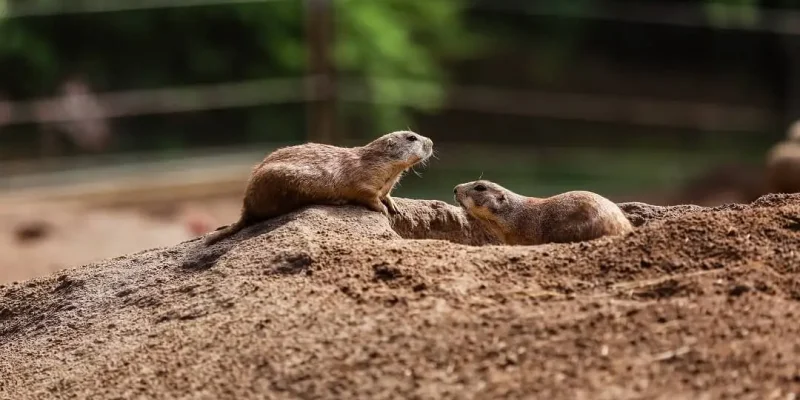
You spent a weekend laying new sod in the backyard. A week later, there’s a crescent-shaped mound of dirt pushed up through the middle of it. Then another one near the fence line. Then one right next to the sprinkler head, which the gopher apparently chewed through on the way past. If you live in Wildomar, Menifee, or the outskirts of Lake Elsinore where newer developments meet open hillsides, gophers are one of the most destructive and stubborn yard pests you’ll encounter. Main Sail Pest Control includes gopher control as part of their Lake Elsinore pest control specialty services, and their experience across southwest Riverside County has made one thing clear: most of the products and methods homeowners try first don’t work, and understanding why saves a lot of frustration.
First: Make Sure It’s Actually Gophers
Pocket gophers and ground squirrels both create holes in your yard, but they’re different animals that require different control methods. Gopher mounds are fan-shaped or crescent-shaped, with the hole plugged and off to one side of the mound. You almost never see the gopher itself because they spend nearly their entire lives underground. Ground squirrel burrows have an open, round entrance without a mound of fresh dirt, and you’ll often see the squirrels sitting upright near their holes during the day.
Moles are another possibility, though they’re less common in the dry Riverside County soil than in wetter climates. Mole activity creates raised ridges across the lawn surface rather than distinct mounds. If you’re seeing volcano-shaped mounds with a plugged hole, that’s a pocket gopher.
The distinction matters because gopher-specific traps and baits won’t work on ground squirrels, and vice versa. Identify first, then treat.
What Doesn’t Work (Despite What the Internet Says)
The list of gopher remedies that homeowners try before calling a professional is long, and most of them range from ineffective to counterproductive.
Sonic stakes and vibrating repellers are the most popular and the least effective. These devices claim to drive gophers away with vibrations or ultrasonic sound. Multiple university extension studies, including work done by UC Davis, have found no evidence that these devices reduce gopher activity. Gophers live in an environment of constant soil vibration from foot traffic, vehicles, and irrigation systems. A battery-powered stake producing a mild pulse every 30 seconds doesn’t register as a threat.
Flooding the tunnel system with a garden hose is another common attempt. Gophers can seal off sections of their burrow network faster than water fills them. They retreat to a dry section, wait for the water to drain, and resume digging. In Riverside County’s well-draining sandy and decomposed granite soils, the water disperses quickly without saturating the full tunnel network. You’ve wasted water and the gopher is fine.
Chewing gum and Juicy Fruit placed in the tunnel is a folk remedy that persists despite zero evidence of effectiveness. The theory is that the gopher eats the gum and can’t digest it. Gophers are herbivores that eat plant roots. They don’t eat gum. They push it out of the tunnel the same way they push out rocks and debris.
Exhaust gas piped into the tunnel from a lawn mower or car is both ineffective and dangerous. Gopher tunnel systems can extend 200 feet or more with multiple branches and plugged sections. The gas doesn’t reach the occupied sections, and routing vehicle exhaust near your home creates a carbon monoxide risk to your family.
Castor oil granules are marketed as gopher repellents. Some homeowners report temporary results, but the effect is inconsistent at best and the gophers typically return once the product breaks down or rain moves it through the soil.
What Actually Eliminates Gophers
Two methods have consistent, research-supported results: trapping and professional-grade baiting. Everything else is noise.
Trapping
Gopher traps, specifically Macabee-style pinch traps or box traps designed for pocket gophers, work when placed correctly inside active lateral tunnels. The process involves probing the soil to locate the main tunnel, opening it, placing two traps facing opposite directions inside the tunnel, and covering the opening to block light. Gophers investigate disturbances in their tunnel system and encounter the trap.
The challenge with trapping is execution. You need to find the active tunnel, not just an old push-out. The main tunnel typically runs 6 to 12 inches below the surface, connecting the visible mounds. Probing with a metal rod until you feel the sudden drop-off into the tunnel takes practice. Placing traps at the wrong depth or in an abandoned section produces nothing.
Trapping is most practical for a yard with one or two active gophers. When there’s a larger population, which is common in Wildomar and Menifee yards adjacent to open land that supplies a steady flow of new gophers, trapping alone becomes a game of whack-a-mole that never ends.
Professional Baiting
Professional-grade gopher baits use anticoagulant or acute toxicant active ingredients applied directly into the active tunnel system using a specialized probe. The bait is placed below the surface where the gopher encounters it during normal tunneling activity. It doesn’t sit on the surface where non-target animals could access it.
Bait placement requires the same tunnel-locating skill as trapping, plus knowledge of bait quantity, placement depth, and the active ingredient’s characteristics. Too much bait in the wrong location means the gopher pushes it out as debris. Too little means it doesn’t encounter a lethal dose. The application needs to happen in the main runway, not in the lateral push-outs that lead to the surface mounds.
This is why professional gopher control consistently outperforms DIY attempts even when the homeowner is using real traps and real bait. The skill is in reading the tunnel system and placing the control product where the gopher will interact with it. Main Sail’s technicians work across dozens of gopher-active properties each week and can locate and treat active tunnels efficiently.
Why Gophers Keep Coming Back in Wildomar and Menifee
Eliminating the gophers currently in your yard is one thing. Keeping new ones out is a separate challenge, especially in the communities across southwest Riverside County where residential properties share a fence line with undeveloped land.
Pocket gophers are territorial, but when one is removed, the vacant tunnel system and the food source (your lawn and plant roots) attract a replacement from the surrounding population. Homes in Wildomar along Palomar Street, in the neighborhoods east of Clinton Keith Road, and in the Menifee communities near open hillsides face ongoing reinvasion pressure because the source population is essentially unlimited.
For these properties, ongoing gopher management on a recurring schedule is more realistic than a one-time treatment. Main Sail monitors for new activity during regular pest control visits and can treat fresh mounds before a new gopher establishes an extensive tunnel network. Catching a gopher during its first week in your yard is a five-minute job. Catching one that’s been tunneling for two months is a much bigger project.
Protecting Specific Plants
If gophers are targeting a particular garden bed, raised planter, or newly planted tree, hardware cloth (galvanized wire mesh with half-inch openings) installed beneath the planting area creates a physical barrier the gopher can’t chew through. For individual trees, a gopher basket made from the same mesh and placed around the root ball at planting time protects the roots as the tree establishes.
These barriers don’t solve the broader gopher problem in the yard, but they protect high-value plantings while the population is being managed through trapping or baiting.



Comments