
 By
By 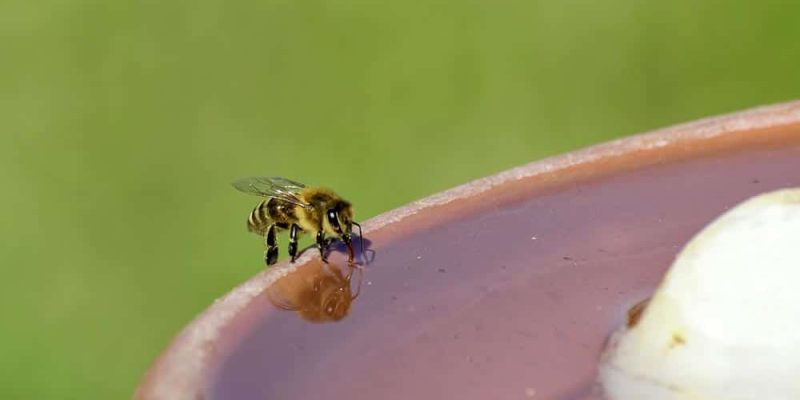
Phoenix experiences intense heat and monsoon moisture during the summer. Humid air and storms can cause the desert to change quickly. This includes how bees behave. The monsoon season shows how beehives function across neighborhoods, parks, and desert edges.
Honey bees depend on the availability of heat, food sources, and water to survive. Extreme dryness in Phoenix dominates most of the year, so monsoon moisture offers relief along with new challenges. Higher humidity levels affect how bees forage and regulate hive temperature. They also raise brood.
In addition, storm activity changes flight patterns. Bees rely on calm, dry air for efficient travel. They adapt their schedules to avoid heavy rain, wind gusts, and rapid barometric changes during monsoon periods. This makes it important for homeowners to invest in beehive control in Phoenix during these periods. Controlling these pests includes considering the impact of monsoon moisture on beehive activity.
Increased Moisture and Nectar Availability
Palo verde trees, desert wildflowers, mesquite, and ornamental landscape plants produce fresh blooms after storms. With more blossoms available, bees gain access to richer nectar and pollen sources. This boost in food supply supports colony expansion. Queens lay more eggs when resources remain plentiful. Worker bees stay active throughout the day as long as the weather allows safe travel. Some residents notice more bees around flowering yards, patios, and community green spaces during this period.
Humidity and Hive Temperature Control
In hot desert conditions, bees fan their wings to circulate air and evaporate moisture within the hive. Monsoon humidity makes this task more difficult. Moist air slows evaporation, which means bees must adjust their behavior to keep brood cells within safe temperature ranges.
During humid days, more workers remain near the hive entrance. Their role focuses on airflow rather than foraging. This change may reduce visible bee traffic in gardens during certain hours, then spike once conditions improve later in the day.
Storm Timing Shapes Foraging Patterns
Monsoon storms may form in the afternoon or early evening. Bees learn to adapt. Many colonies increase morning activity to collect nectar before storms build. Bee traffic may not be heavier earlier in the day during the monsoon season.
After storms pass, bees resume foraging if flowers remain intact. Fresh rain can wash pollen from some blooms, but other plants benefit from moisture and produce more nectar afterward.
Standing Water and Bee Hydration
Bees use water to cool the hive and dilute stored honey for feeding larvae. Monsoon rains create temporary water sources such as puddles, birdbaths, plant saucers, and drainage areas. Access to water supports hive health and can draw bees closer to homes.
Swarming Behavior During Monsoon Season
Bees may split to form new colonies when resources remain abundant, and hive populations rise. Monsoon moisture supports this process by improving food availability.
Swarms may be found during late spring and summer, with monsoon season extending this window. They may cluster on tree branches, fences, or exterior walls while scout bees search for a new nesting site.
Urban Landscapes and Shelter Options
Bees can use stucco walls, roof voids, irrigation boxes, and block walls to stay protected from storms. Colonies may explore these spaces more actively as rain pushes bees to seek cover.
Homes with mature landscaping or water features may attract increased attention from bees during this time. Shaded areas that stay dry during storms become appealing rest zones for worker bees between foraging trips.
Rainfall Effects on Bee Communication
Bees rely on scent and movement to share information. Rain and humidity can interfere with pheromone signals. When scent trails weaken, bees adjust by staying closer to known food sources. This behavior can concentrate bee activity in specific yards or green spaces.











Comments