
 By
By 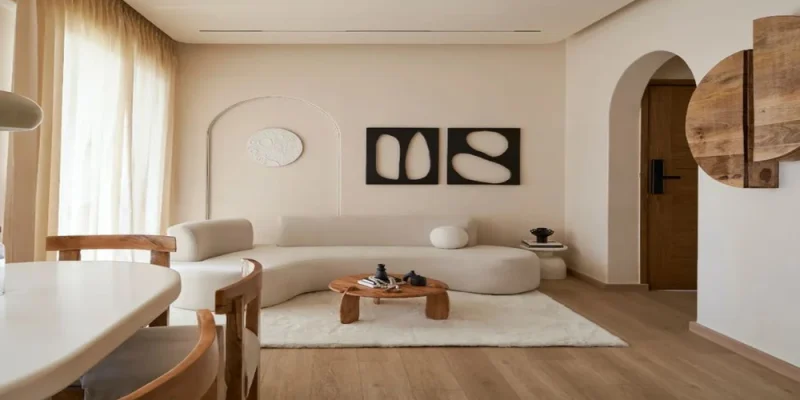
Modern interiors are often associated with clean lines, simple colors, and uncluttered spaces. While that approach can create a sophisticated look, too many smooth and uniform surfaces can sometimes make a room feel cold.
Natural materials provide an easy way to add warmth and visual depth without sacrificing a modern aesthetic.
Wood, stone, leather, linen, wool, rattan, and other organic materials can introduce subtle variations in texture and color. Used thoughtfully, they make contemporary spaces feel more comfortable and personal.
Wood Adds Warmth and Texture
Wood is one of the most versatile natural materials for modern interiors.
Its grain introduces movement to spaces that might otherwise contain many straight lines and smooth surfaces. Even a single wood furniture piece can make a noticeable difference, especially with live edge coffee tables that bring natural character into a clean, contemporary setting.
A live edge coffee table can create an especially strong contrast because the natural edge of the slab differs from the precise geometry often found in modern furniture.
Pairing organic wood with a streamlined sofa or minimalist rug can create a balanced relationship between natural and contemporary elements.
Stone Creates a Sense of Permanence
Stone can make a modern interior feel grounded.
Marble, limestone, slate, travertine, and other stones can be used for fireplaces, flooring, countertops, side tables, or decorative objects.
Stone does not necessarily have to be dramatic.
A small stone accent can provide enough texture to prevent a room from feeling overly uniform.
If your furniture already contains a lot of visual texture, choose a stone with relatively subtle variation. If the rest of the room is simple, a more distinctive stone surface can become a focal point.
Linen Softens Clean Furniture
Linen is particularly useful in modern interiors because it introduces softness without looking overly decorative.
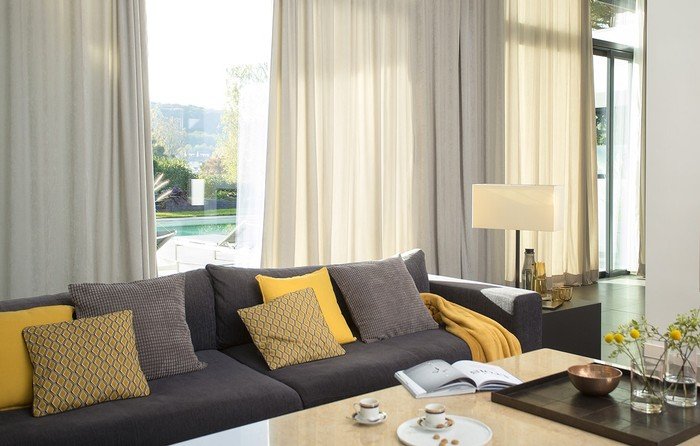
Linen curtains can filter natural light, while linen upholstery and cushions can make seating feel more relaxed.
Its slightly irregular texture also contrasts nicely with smooth metal, glass, and polished surfaces.
Neutral linen works particularly well in minimalist interiors, but muted colors can also add personality without overwhelming the room.
Wool Makes a Room Feel Comfortable
Wool rugs are another effective way to add natural texture.
A modern room with hard flooring, glass, and streamlined furniture can benefit from the softness of a wool rug beneath the seating area.
The rug also helps define the furniture arrangement.
Choose a simple texture or subtle pattern if the room already contains several strong materials. If the furniture is relatively minimal, a more noticeable rug can become an additional layer of visual interest.
Leather Adds Contrast
Leather can introduce warmth and durability while maintaining a clean appearance.
A leather chair, ottoman, or accent cushion can work especially well in a modern room dominated by fabric upholstery.
Brown leather pairs naturally with wood, while black leather creates a sharper contemporary contrast.
Because leather has a strong visual presence, one or two pieces are often enough.
Rattan Brings a Lighter Organic Element
Rattan and woven materials can add an airy quality to contemporary interiors.
They work particularly well in rooms that receive plenty of natural light.
A woven chair, basket, pendant light, or decorative accent can introduce texture without making the room feel heavy.
Rattan is especially useful when you want to soften a space dominated by metal, concrete, or dark finishes.
Glass Keeps the Room Visually Open
Glass is not always the first material people associate with natural interiors, but it can help balance heavier organic elements.
A glass tabletop, cabinet door, or decorative object can create visual openness.
This is particularly useful in smaller rooms where solid furniture can quickly make the space feel crowded.
Combining glass with wood is a classic way to balance transparency and warmth.
Combine Materials Instead of Matching Them
Natural materials work best when they are allowed to contrast.
A room does not need every material to have the same color or texture.
For example, a contemporary living room might combine a natural wood table, linen sofa, wool rug, black metal lighting, and a stone accessory.
Each material performs a different visual role.
The wood provides warmth. The linen adds softness. The wool introduces texture. Metal creates structure. Stone adds weight.
Together, they create a layered interior without requiring excessive decoration.
Use Texture to Add Interest to Neutral Rooms
Neutral interiors do not have to be boring.
If your color palette consists mainly of white, beige, gray, and brown, use texture to create variation.
A smooth wall can contrast with textured upholstery. A polished surface can sit beside rougher wood. A soft rug can balance a substantial table.
This approach allows you to maintain a calm color palette while still giving the room plenty of visual character.
Let One Material Become the Focal Point
Using too many statement materials can have the opposite effect.
Choose one or two elements that deserve attention and keep the remaining materials relatively restrained.
A distinctive wood coffee table might be the focal point in one room. In another, the fireplace or stone wall may take that role.
Once you identify the focal point, the surrounding materials should support it rather than compete with it.
Keep Modern Furniture in the Mix
Natural materials do not automatically mean rustic design.
This distinction is important.
A handcrafted wood table can look completely at home beside a modern sofa. Linen can work with contemporary furniture. Stone can complement minimalist cabinetry.
The contrast between organic materials and modern forms is often what makes the interior feel sophisticated.
Instead of choosing between natural and modern design, combine the two.
Create a More Personal Interior
Natural materials have a quality that manufactured finishes often struggle to reproduce: variation.
Wood grain changes from piece to piece. Stone contains natural movement. Linen has subtle irregularities. Leather develops character through use.
These details can make an interior feel less generic.
Tailor Wood Haven creates handcrafted wood furniture that emphasizes the natural character of individual slabs rather than making every piece look exactly the same. For homeowners who want modern interiors with a stronger sense of individuality, naturally varied furniture can be an effective way to achieve that balance.
Modern design does not have to mean sterile or impersonal. With the right combination of natural materials, even a minimalist room can feel warm, tactile, and distinctly personal.




Comments