
 By
By 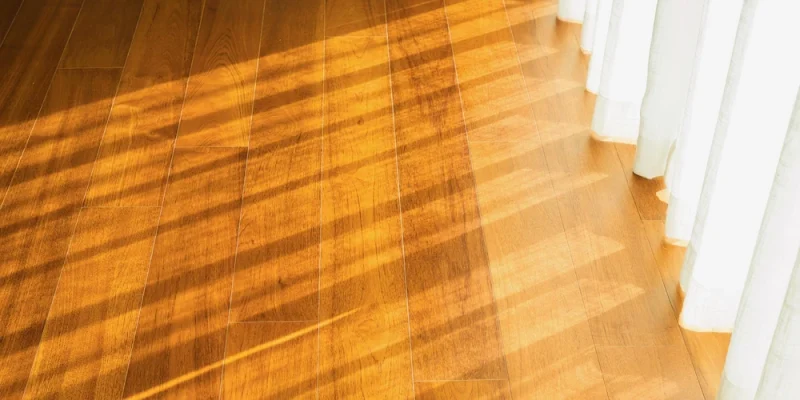
Natural wood veneers are known for their grain patterns and natural beauty. Unfortunately, long-term exposure to sunlight can change the appearance of veneer over time. One of the most common concerns with wood veneer exposed to sunlight is sunlight damage to the veneer. The extent of the change will depend on the species of wood, the orientation of the room and the amount of sunlight.
Common Signs of Veneer Fading
One of the main problems caused by exposure to sunlight is that UV rays from sunlight will break down the pigments in natural woods.
Visible indicators that a surface has experienced fading due to exposure include, but are not limited to:
- Areas with an uneven amount of colour development
- Areas with a lighter-than-average appearance
- Areas that have dark patches on the edge of the covered areas
- Areas that have lost richness when compared to adjacent areas.
These visible changes occur gradually and may not be apparent until the surface has had significant amounts of exposure to sunlight.
Effective UV Protection Methods
The best way to reduce the effects of extended exposure to sunlight is to implement UV protection for the veneer.
Some common ways to create UV protection for veneer include:
- Installing UV-resistant window films on windows
- Applying the right protective finishes to all surfaces is key read the complete guide on veneer staining and finishing to understand PU, melamine, and lacquer options that protect against UV exposure and retain the original colour of the veneer
- Using curtains or blinds that block strong sunlight
- Moving furniture to be protected from sunlight
- Controlling the amount of natural light in your space
By utilising these types of solutions, the original appearance of the veneer will be maintained for much longer.
Design Strategies to Minimise Exposure
A properly designed interior environment should also minimise the chances of surface fading.
The following tips can help:
- Don’t place veneered furniture next to any large windows
- Move moveable veneered furniture every so often
- Use layered window coverings
- Select areas with evenly distributed natural lighting
A key consideration for many designers is how to place natural veneer products – explore types of veneer sheets including natural, engineered, and recon options to understand which perform best in sun-exposed interiors.
Long-Term Veneer Care
Ideally, successful veneer fading prevention will require consistent care and attention to the environment.
Helpful ways to care for veneer include but are not limited to:
- Periodically dusting
- How much direct sunlight will the surface receive
- Providing constant indoor conditions
- Periodically inspecting your surfaces for protective coatings
Taking a few minutes or hours of preventative care for your veneered surfaces can result in an elongated life for those surfaces.
Conclusion
Natural veneer can preserve its beauty when protected from excessive sunlight exposure for many years. If homeowners and designers implement sound design principles with appropriate protection, they can maintain the colour, characteristics and elegance of their natural veneered surfaces.



Comments