
 By
By 
Ask most homeowners what season they worry about pests and the answer is usually summer. That makes intuitive sense. Summer is when mosquitoes make the backyard miserable, when ants trail across the kitchen counter, and when cockroaches seem to appear out of nowhere. But in Metro Atlanta, limiting your pest management focus to summer is one of the most common and costly mistakes a homeowner can make.
Pest management in Metro Atlanta is a twelve-month responsibility, not a seasonal one. The climate here simply does not deliver the hard winter reset that shuts pest activity down in colder parts of the country. Pests that would die off or hibernate in Chicago or Minneapolis in November just slow down in Atlanta and are ready to go again at the first sign of warming temperatures. The homeowners who understand that and manage accordingly have fewer problems, lower long-term costs, and a lot less stress than those who only pay attention when something becomes visible.
Here is how to approach pest management in Metro Atlanta the right way, month by month and season by season.
Why Atlanta’s Climate Makes Year-Round Management Necessary
It helps to understand why the pest environment here is different before getting into what to do about it. The reasons come down to three things: mild winters, high humidity, and the sheer variety of pest species that the Southeast supports.
Mild winters mean that many pest species that require a hard freeze to die off or enter true dormancy remain active or semi-active in Atlanta through the coldest months. Cockroaches do not stop breeding because it is January. Rodents that made it inside your home in October are warm, fed, and reproducing through the winter. Termites do not take a winter break.
High humidity, particularly the oppressive summer humidity that defines Atlanta from June through September, creates conditions that insects and other pests find genuinely hospitable. Combined with frequent rainfall that produces standing water throughout the season, the environment supports high pest activity levels for most of the year.
The variety of pest species that thrive in the Southeast means that even as one pest’s peak season winds down, another is ramping up. Mosquitoes taper off in October just as rodent pressure starts climbing. Termite swarming season ends in late spring just as yellow jacket and wasp colonies are building toward their summer peak. There is no month in which nothing is actively trying to get into or stay in your home.
Winter: January Through March
Winter is the quietest time in Atlanta’s pest calendar but far from inactive. The pests that matter most during these months are the ones that are already inside your home.
Rodents that found their way indoors during fall are now settled in. They are nesting in wall cavities, attic insulation, and crawl spaces, and their populations are growing. If you have not addressed rodent activity that appeared in fall, winter is the time to deal with it before populations expand further in spring. Check snap trap placements along walls in areas where you have seen evidence of activity, and inspect the attic and crawl space for signs of nesting if you have not done so recently.
Cockroaches, particularly German cockroaches if they have established indoors, remain active and reproductive through winter. The kitchen is the most common location, specifically the warm areas behind refrigerators, dishwashers, and under stoves. Keep up with kitchen sanitation habits and look for signs of activity under and behind appliances periodically.
Winter is also the best time to do the exterior inspection and sealing work that protects your home before pest activity accelerates in spring. Walk the foundation perimeter and look for gaps around pipe penetrations, cracks in the concrete block or foundation, and any openings around utility entries. Check door sweeps and weatherstripping on every exterior door. Inspect crawl space vents for damaged screening. Work done now costs the same as work done in April but prevents the problems that would have developed in the meantime.
Spring: April Through May
Spring is the most important season for pest management in Metro Atlanta, and the window for prevention closes fast as temperatures climb. A lot of the damage that homeowners deal with in summer has its roots in pest activity and missed opportunities from April and May.
Termite swarming season runs from roughly March through May in Georgia. Subterranean termites produce winged reproductives that emerge in large numbers, typically triggered by warm temperatures following rain. If you see swarmers around windows or doors, or find discarded wings on windowsills, call a professional immediately. If you have not had a professional termite inspection in the past year, spring is the time to schedule one. Georgia’s soil conditions make Metro Atlanta a high-risk area for termite damage, and early detection is the most cost-effective point of intervention by a wide margin.
Fire ants begin rebuilding mounds aggressively in spring after minimal winter activity. Treating mounds early in spring before colonies grow large reduces the population pressure on your property through summer. Broadcast granular treatments applied to the entire yard in early spring are more effective at area-wide reduction than treating individual mounds reactively.
Mosquito season begins in earnest around late April or early May depending on the year. The single most effective action you can take before the season is fully underway is a thorough standing water audit of your property. Walk every inch of your yard and eliminate or treat any water that sits undisturbed. Gutters, flowerpot saucers, low spots in the lawn, bird baths, tarps, and any containers left outside are all starting points. Getting ahead of breeding sites before the season peaks is significantly more effective than trying to address them mid-summer.
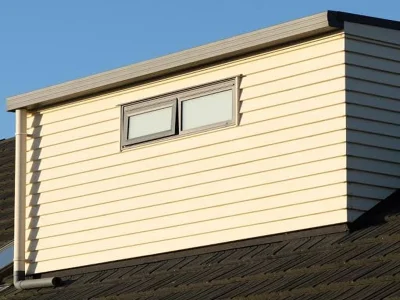
Spring is also when stinging insects begin nest-building. Check eaves, deck railings, outdoor furniture, and any gaps in siding or exterior trim monthly through spring. A nest found and treated in April is a quick job. The same nest left until August is a much more significant problem.
Summer: June Through August
Summer is peak season for active pest management in Metro Atlanta. Mosquitoes, cockroaches, stinging insects, ants, fleas, ticks, and spiders are all at or near their highest activity levels, and the management habits established in spring are paying their dividends.
Mosquito management needs consistent attention through summer. Keep up with standing water elimination after every rain, which in Atlanta means at least weekly and often more. If you are not already on a professional barrier spray program, summer is when that investment makes the most immediate difference to outdoor quality of life. Treatments applied monthly through the season maintain a meaningful reduction in adult mosquito populations in treated areas.
Keep an eye on stinging insect nests throughout summer. Yellow jacket colonies that were small in May can be very large by August, and the colonies become more aggressive as they grow and as fall approaches. Any nest that is accessible and small enough to treat safely with an over-the-counter aerosol at dusk is worth addressing before it grows. Nests in wall voids, underground, or in hard-to-reach locations should be handled by a professional.
Flea and tick pressure peaks in summer, particularly in yards with wildlife activity. Keep grass cut short, clear leaf litter from garden bed edges, and maintain your pet’s flea and tick prevention consistently through the season without gaps in coverage.
Fall: September Through November
Fall is the season where a significant number of pest problems originate that homeowners only discover in winter or the following spring. The reason is simple. As temperatures start to cool, pests of every kind begin looking for somewhere warm and protected to ride out the winter, and your home is the most appealing option in the neighborhood.
October is the month that matters most for exclusion work. Inspect the exterior of your home again with fresh eyes. Focus on the same areas covered in winter but with urgency this time, because the pests looking for entry points are actively searching rather than passively waiting. The gap under a garage door that you meant to fix in spring becomes a significant problem in October when mice are actively looking for exactly that opening.
Stink bugs and kudzu bugs are particularly Atlanta-specific fall nuisances. Both species congregate in large numbers on warm, sunny exterior walls in September and October seeking overwintering sites, and they squeeze through any gap they can find to get inside. They are harmless but unpleasant in large numbers, and once inside they are difficult to remove. Tight sealing of gaps around windows, doors, and exterior penetrations before they appear is the only effective prevention.
Fall is also when termite protection programs should be reviewed to confirm that monitoring is in place and current. Termite activity does not stop in fall, and an annual inspection that catches new activity before winter prevents damage from progressing unseen through the cold months.
The Case for a Year-Round Professional Program
Everything described above is more manageable with a professional pest management partner on a year-round service program. The case for investing in one is straightforward.
A quarterly service program with a licensed pest control company provides regular exterior treatments that keep pest pressure consistently lower between visits. It includes professional monitoring through glue boards, monitoring stations, and trained inspection that catches developing problems before they become visible in living areas. It gives you ongoing professional oversight of your termite protection. And it gives you a point of contact who knows your property, its history, and its specific vulnerabilities when a question or problem comes up.
The cost of a year-round program is predictable and budgetable. The cost of the problems that program prevents, from termite damage to established rodent infestations to the expense of emergency treatments for problems that were allowed to develop unchecked, is not. The math almost always favors consistent professional management.
Pest management in Metro Atlanta rewards the homeowners who treat it as an ongoing responsibility rather than a reactive one. The climate here makes that more important than it would be in most parts of the country, and the variety of pest pressures across all twelve months of the year means there is never a point at which you can safely stop paying attention.
The Bottom Line
Year-round pest management in Metro Atlanta is not about being alarmist. It is about being realistic about the pest environment this city’s climate creates and managing accordingly. The homeowners who do that consistently, with good prevention habits, seasonal attention to the right priorities, and professional support from a company that knows this market, live in homes that are well protected without drama.
The ones who only pay attention in summer spend more money over time and deal with more problems. Atlanta’s pest calendar does not take months off. Your pest management approach should not either.




Comments