
 By
By 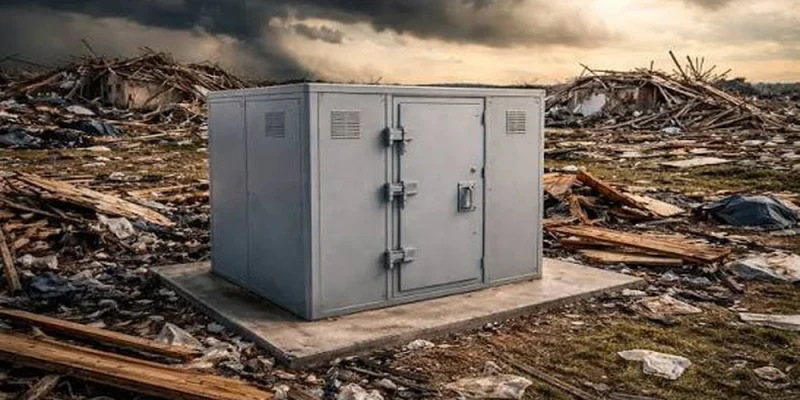
Key Takeaways
Selecting an appropriate location for storm shelters requires careful evaluation of geographical elements, risk assessments, and individual preferences, especially in areas prone to tornadoes.
In-ground storm shelters provide excellent protection from tornadoes, yet they come with higher costs and more complex installation processes, unlike above-ground options which are generally easier to access and install.
When planning the placement of a storm shelter, it’s essential to prioritize its distance from the home. Quick access during emergencies is critical, and clear, hazard-free pathways should also be taken into account.
Complying with local building codes and zoning regulations is vital for storm shelter installations. Such compliance enhances safety while helping to avoid delays or penalties during the installation process.
To adequately protect occupants during severe weather, storm shelters should adhere to recognized safety standards, capable of withstanding winds of at least 250 miles per hour.
A high-quality storm shelter should incorporate features like proper ventilation, secure doors, and emergency supply storage to ensure comfort and functionality during extended periods of use.
Professionals must thoroughly understand the cost factors related to storm shelter installation, including materials, labor, and ongoing maintenance, to make well-informed, financially sound decisions for long-term safety.
Evaluating Storm Shelter Locations for Maximum Safety
In the quest for the right location for storm shelters, numerous elements come into play. The decision often hinges on geographical conditions, the layout of residences, and the unique preferences of individuals. Living in a high-risk tornado zone? It heightens the need for strategic planning.
Choosing Between In-Ground and Above-Ground Options
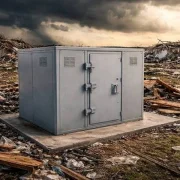
In-ground storm shelters provide considerable protection yet tend to be more expensive and labor-intensive when it comes to installation. These below-ground spaces serve as fortified sanctuaries against flying debris, capable of handling intense storm pressures. On the flip side, above-ground shelters are easier to reach and install, frequently made from hardened materials that resist strong winds. So which option stands out?
- In-Ground Benefits: Exceptional tornado protection, protects occupants from harm, less visible.
- Above-Ground Benefits: Readily accessible, quicker installation, more visible as emergency shelters.
- Space and Terrain: In-ground installations require sufficient digging space; issues can arise with rocky or wet soil.
Ultimately, aspects like the potential for flooding, soil conditions, and even future property developments need to be weighed. Is there enough clearance on your land for an in-ground unit? Could above-ground be the more practical option? Professionals suggest a thorough examination of these possibilities.
Strategic Placement: Proximity to Your Home
The decision on where to position a storm shelter also entails considering how close it is to the residence. A well-placed shelter can save valuable time during a storm when rapid access is essential. If the shelter is too far away, navigating to it can become both cumbersome and perilous in high-pressure situations. Experts recommend:
- Having the shelter within a short walking distance from the home.
- Establishing clear pathways free from potential hazards, like falling branches or debris.
- Maintaining visibility during storms or power outages, perhaps by marking the path with reflective materials.
All these considerations enable homeowners to make practical decisions that boost safety in emergencies. Why take unnecessary risks when establishing a solid escape plan can provide peace of mind?
Understanding Local Building Codes and Permit Requirements
Storm shelter installation considerations shift significantly toward adhering to compliance and local regulations. Many regions enforce specific building codes aimed at ensuring both safety and structural integrity. Ignoring these standards can compromise a shelter’s effectiveness during critical times.
Working through Compliance for Storm Shelter Installations
Grasping the legal requirements associated with storm shelter installations can seem challenging. Local authorities may require certain permits, depending on the type of shelter and materials used. Overlooking these regulations can delay installations and incur financial penalties. Here are steps professionals suggest:
- Engaging with local building authorities early in the planning process.
- Securing all necessary permits before initiating the installation.
- Reviewing local codes to pinpoint specific safety standards that need to be adhered to.
What might feel like an inconvenience can ultimately facilitate successful installations. Ensuring compliance is about protecting homeowners and alleviating future complications.
How Zoning Laws Affect Shelter Placement
Awareness of zoning laws can shed light on the best storm shelter placement. These regulations dictate land use, which influences how close shelters can be positioned relative to property lines. Certain locales may even restrict the types of shelters allowed. So, how do zoning laws impact safety measures?
- Consider the distance required from property lines as dictated by local zoning regulations.
- Ensure placement does not obstruct other structures that could attract debris.
- Evaluate how proximity to the main house might ease zoning complications.
Comprehending zoning laws plays a pivotal role in creating a strategic approach to storm preparation. Adhering to regulations lays the groundwork for a dependable and functional shelter.
Exploring Essential Features of High-Quality Storm Shelters
A high-quality storm shelter is not only sensitive to basic safety requirements but also includes features that boost functionality. Knowing what to prioritize can mean the difference between feeling calm or anxious during a chaotic weather event.
Critical Safety Standards Every Shelter Must Meet
Storm shelters ought to align with established safety standards, typically defined by organizations like FEMA. These guidelines often call for specific design elements to reduce risks during storm conditions. Essential standards to evaluate include:
- Must withstand sustained winds of at least 250 miles per hour specifically for tornado shelters.
- Require adequate anchoring systems to prevent dislodgment.
- Employ blast-resistant materials that protect against airborne debris.
Choosing quality materials and design features leads to tangible benefits when looking at shelter effectiveness. Safety cannot be compromised, especially when lives are at stake.
Design Elements That Enhance Durability and Functionality
Practical designs enhance both convenience and longevity. Quality shelters often come with ventilation systems, secure entry doors, and even interior amenities for added comfort during extended periods of use. These elements ensure occupants remain safe and comfortable. Consider adding:
- A cooling or heating system for optimal comfort.
- Doors equipped with multiple locking mechanisms for enhanced security.
- Interiors designed to accommodate storage for emergency essentials like water, non-perishable food, and first-aid supplies.
Including such features results in a robust refuge. Thoughtful design not only improves functionality but also reduces stress during crisis situations. Maximizing every inch truly matters.
Cost Factors in Storm Shelter Installation: What to Expect
Regarding storm shelter installation, associated costs can greatly sway decisions. Homeowners need to grasp not just installation expenses but also those related to maintenance. The financial landscape can grow complicated, with various factors including materials, labor, and ongoing upkeep.
Breaking Down Fees for Installation and Maintenance
Understanding the intricacies behind installation costs enables more informed choices. It’s not merely about the initial expenditure. Regular maintenance can also create financial implications. Typical factors affecting costs include:
- Labor and professional installation as compared to DIY efforts.
- The type of materials chosen for both construction and reinforcement.
- Permitting and zoning fees that can contribute to the total expenses.
Some homeowners might assume they can save by opting for DIY installations. However, professionals often bring expertise that greatly enhances structural stability. Is it worth sacrificing safety for savings?
Investing in Long-Term Safety: Value of Quality Shelters
For homeowners weighing their options, investing in superior shelters proves justified. Though the initial cost might be higher for robust designs, the long-term advantages significantly outweigh the initial expenses. Enhanced resilience during storms typically leads to lower maintenance costs over time. Ultimately, this translates to safety and reassurance.
- Higher-quality shelters decrease the chances of costly repairs.
- Durable materials extend the life expectancy of the installation.
- Improved safety lowers overall risks, potentially impacting insurance premiums positively.
Well-considered investments lead to lasting peace of mind. By focusing on quality, residences can better withstand the forces of nature.
In the realm of storm shelters, proactive measures shouldn’t just be an option – they’re a necessity. What will the future home look like? Knowledge-based decisions break new ground, ensuring that safety becomes a solid reality, not just a distant dream.
FAQ
How do I determine if my area is at high risk for tornadoes?
Utilizing online resources, such as local weather service maps and historical tornado data, provides clarity on risk levels for specific locations. Engaging with neighbors or community members who have experienced tornadoes can also offer valuable perspectives.
What essential items should I keep in my storm shelter?
A well-equipped storm shelter generally includes necessities like water, non-perishable food, a flashlight, batteries, a first-aid kit, and a battery-operated weather radio. It’s also wise to store important documents in a waterproof bag.
Are there grants or financial assistance options for storm shelter installation?
Occasionally, local, state, or federal programs offer financial aid for home safety enhancements. Homeowners should research specific government websites or get in touch with local emergency management offices to discover available grant opportunities.
How often should storm shelters be inspected and maintained?
Experts advise conducting inspections at least biannually, especially before the storm season. Regular assessments of structural integrity alongside checking emergency supply functionality is essential to promote safety.
Can storm shelters be used for purposes other than emergency protection?
Definitely. High-quality storm shelters can also serve as safe storage for valuables or be transformed into hobby areas, as long as they comply with safety standards. Still, it’s essential to ensure that key emergency features remain operational.
What types of shelters are best for severe flooding areas?
For areas susceptible to flooding, elevated above-ground shelters are optimal. These designs prevent water damage and maintain safety during extreme weather events. Engineers can suggest flood-resistant designs that adhere to local regulations.
How do storm shelters affect home insurance premiums?
Building a storm shelter may lead to reduced home insurance premiums, showcasing proactive risk management. Homeowners should consult with their insurance agent to explore discounts or benefits linked to shelter installations.
What is the lifespan of a well-built storm shelter?
A high-quality storm shelter constructed from durable materials can last for several decades, often surpassing 30 years with appropriate upkeep. Regular maintenance, including inspections and repairs, significantly contributes to longevity and operational effectiveness.




Comments