
 By
By 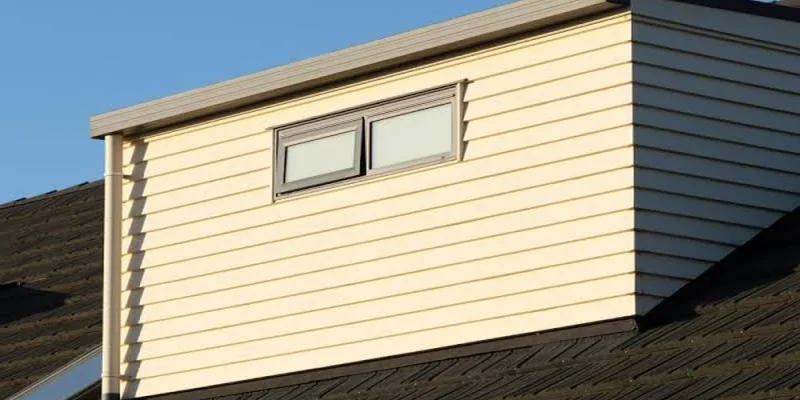
Exterior siding protects your home from weather, contributes to energy efficiency, and shapes the first impression visitors have of your property. Among the many siding options available, T1-11-often informally called “T11 siding“-has remained popular for decades because of its distinctive vertical grooves, straightforward installation, and classic wood appearance.
Like any exterior material, however, it performs best when homeowners understand its strengths, limitations, and maintenance needs. If you’re considering replacing existing siding or planning a renovation, learning how to prevent common issues can help you make informed decisions and protect your investment for years to come.
The Problem
Many homeowners don’t notice siding problems until they become visible from the street-or worse, until moisture has already found its way behind the panels.
PROBLEM
Moisture infiltration is one of the most common causes of premature siding deterioration.
When water repeatedly reaches unfinished edges, damaged caulking, or improperly flashed openings, wood-based panels may begin to swell, soften, or deteriorate over time. Cracked paint, loose fasteners, and neglected maintenance can accelerate the process.
Other common concerns include:
- Peeling paint
- Soft spots near the bottom of walls
- Mold or mildew growth
- Warped panels
- Insect damage
- Gaps around windows and doors
Fortunately, most of these problems develop gradually, providing homeowners with opportunities to intervene before extensive repairs become necessary.
Why It Happens
Several factors often work together rather than a single isolated cause.
Rain, irrigation systems, inadequate drainage, strong sunlight, seasonal temperature changes, and delayed maintenance all place stress on exterior materials. Homes located in coastal or humid environments may experience different challenges than those in drier inland regions.
Improper installation can also reduce long-term performance. Missing flashing, insufficient clearances above soil, or inadequate sealing around penetrations increase the likelihood of water intrusion.
Homeowners researching different siding systems often compare traditional T1-11 with other forms of exterior panel siding to understand differences in maintenance, durability, and appearance. Resources discussing exterior panel siding can help explain how installation details influence long-term performance regardless of the material selected.
Common Mistakes
Many expensive repairs begin with small maintenance issues that were easy to address early.
Some of the most frequent mistakes include:
- Waiting too long to repaint exposed wood
- Ignoring cracked or missing caulk
- Allowing shrubs to trap moisture against walls
- Directing sprinkler systems toward the siding
- Covering damaged panels instead of repairing underlying problems
- Skipping annual exterior inspections
Another common mistake is focusing only on the visible panel. Moisture problems often originate around windows, doors, roof intersections, or improperly installed flashing rather than the siding itself.
Before / After Example
| Before | After |
| Faded paint with cracked caulk | Fresh protective coating and sealed joints |
| Moisture collecting near landscaping | Improved drainage and proper ground clearance |
| Isolated damaged panel | Repaired substrate and correctly installed replacement panel |
| Frequent maintenance concerns | Preventive inspection schedule and routine upkeep |
The Solution
SOLUTION
The most effective siding strategy combines quality installation with consistent maintenance.
Regular inspections allow homeowners to identify small issues before they become structural concerns. Repainting exposed wood when finishes begin to wear, replacing deteriorated sealants, and keeping vegetation trimmed away from exterior walls all contribute to longer service life.
When replacement becomes necessary, planning the entire exterior rather than treating one damaged section in isolation often produces better long-term results. Windows, flashing, trim, insulation, and moisture barriers all work together as part of a complete exterior system.
Homeowners considering broader renovation projects frequently review guidance on california remodels to understand how coordinated improvements can increase durability, improve energy efficiency, and enhance overall curb appeal.
Best Practices
Preventive maintenance is almost always less expensive than major structural repairs.
A practical maintenance routine includes:
- Inspect the exterior at least once each year.
- Check caulking around windows and doors.
- Repaint or reseal exposed wood as recommended.
- Keep gutters and downspouts functioning properly.
- Maintain proper clearance between siding and landscaping.
- Address small signs of moisture promptly instead of waiting for visible deterioration.
If you’re evaluating whether traditional wood panels remain the right choice for your home, educational resources about t11 siding can help explain its characteristics, maintenance requirements, and situations where alternative materials may be worth considering.
Ultimately, the best siding is not simply the product with the longest brochure warranty. It’s the one that is properly installed, appropriate for your home’s environment, and maintained consistently over time. By recognizing common problems early and taking a proactive approach to care, homeowners can extend the life of their exterior while preserving both the appearance and value of their property.

Comments