
 By
By 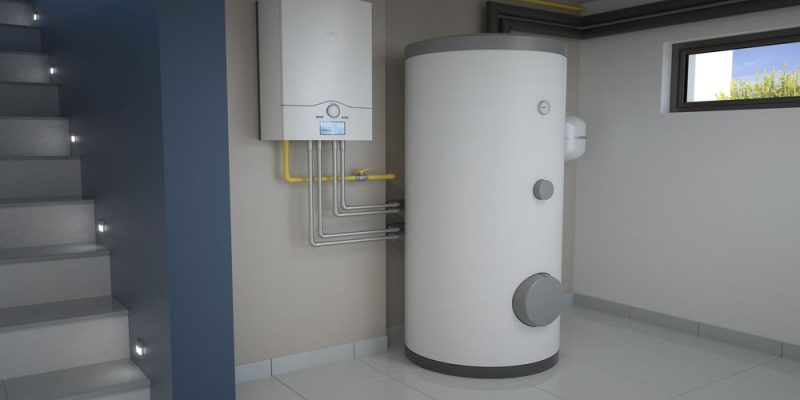
Everyday comfort, including hot showers, clean dishes, and laundry, depends on a dependable water heater. When issues arise, homeowners often have to make the tough choice of whether to fix the current unit or replace it completely. Time, money, and needless worry may be avoided by being aware of the important aspects influencing this decision. To be sure the choice is based on professional assessment rather than speculation, speak with a licensed plumbing company Houston TX.
Recognizing Typical Water Heater Problems
Before they totally fail, water heaters usually exhibit warning indications. These might include uneven water temperature, odd sounds, rusty water, or leaks around the tank. Small problems, such as a malfunctioning thermostat or heating element, may often be fixed fast and affordably.
But not every issue has an easy solution. Sediment accumulation or internal corrosion may be the cause of the unit’s discolored water or loud rumbling noises. If left unchecked, these problems might become worse over time and cause more significant harm.
When Repair Is The Better Choice
When your water heater is relatively recent, and the problem is small, fixing it is usually the best option. Depending on the kind and maintenance history, most water heaters last between eight and twelve years. A repair may greatly increase the lifespan of your system if it has been well-maintained and is still within this range.
Cost is another thing to think about. Fixing the issue makes financial sense if the cost of the repair is lower than the cost of a new unit. Small parts like heating elements, thermostats, and valves may be easily replaced without requiring a complete system overhaul.
Additionally, a one-time repair may return the water heater to peak performance without any more problems if it hasn’t had frequent malfunctions.
Indications That Your Water Heater Needs To Be Replaced
At some point, it becomes more sensible and economical to replace the water heater. One of the most important markers is age. Even little faults might be a hint of bigger ones if your unit is more than ten years old.
Another red flag is the need for frequent maintenance. The expenses might go up rapidly if you often need to summon a service. In the long run, purchasing a new system can be more cost-effective.
Perhaps the most important aspect is leaks. A leaky tank is often a sign of structural breakdown that cannot be safely fixed. Replacement is the only practical solution in these situations.
It’s also important to think about energy efficiency. Utility expenses are often higher for older water heaters since they use more energy. The increased efficiency of modern units may lead to long-term savings.
Costs And Long-Term Value Comparison
When choosing between repair and replacement, it’s critical to consider both short-term expenses and long-term benefits. Although repairs can first appear less expensive, they might eventually become costly.
Despite having a higher initial cost, a new water heater delivers better performance, dependability, and energy efficiency. Additionally, a lot of the more recent models have warranties that provide years of peace of mind.
The possible effect on property value should also be taken into account by homeowners. A modernized water heating system may improve the home’s overall look and be a desirable feature for purchasers.
The Function Of Expert Evaluation
A professional examination is often necessary to make the best choice. Skilled plumbers are able to correctly identify the issue and provide sincere advice depending on the unit’s state.
They may also help homeowners prevent unplanned breakdowns by seeing hidden problems that might not be immediately apparent. Expert advice guarantees that the solution selected fits both the long-term requirements and the budget.
Preventive Upkeep For Enhanced Efficiency
Regular maintenance is crucial for optimum operation, regardless of whether you decide to replace or repair your water heater. The system’s lifetime may be increased by examining components, flushing the tank, and looking for leaks.
Additionally, routine maintenance increases productivity and lowers the risk of unexpected malfunctions. Over time, the performance of your water heater may be significantly improved with simple preventative steps.
Making A Confident Choice
It doesn’t have to be difficult to decide between replacing and repairing a water heater. Homeowners may make an educated selection that meets their requirements by taking into account elements including age, cost, efficiency, and frequency of troubles.
Replacement is often the preferred choice for older or severely damaged devices, even if repairs may be a fast and economical remedy for small issues. You can guarantee a dependable hot water supply and save future needless costs with the appropriate strategy and expert assistance.





Comments